
Craig the Great Tusker: Amboseli's Gentle Giant Lives On
The peaceful passing of Craig, one of Africa's last great tuskers, marks a historic conservation victory and a legacy that will inspire generations.
Read MoreLoading your safari experience...
The peaceful passing of Craig, one of Africa's last great tuskers, marks a historic conservation victory and a legacy that will inspire generations.
Read More
Discover the ideal months to witness the Great Wildebeest Migration and enjoy unforgettable game viewing in Masai Mara.
Read More
From clothing to camera gear, here's everything you need to pack for a comfortable and successful safari adventure.
Read More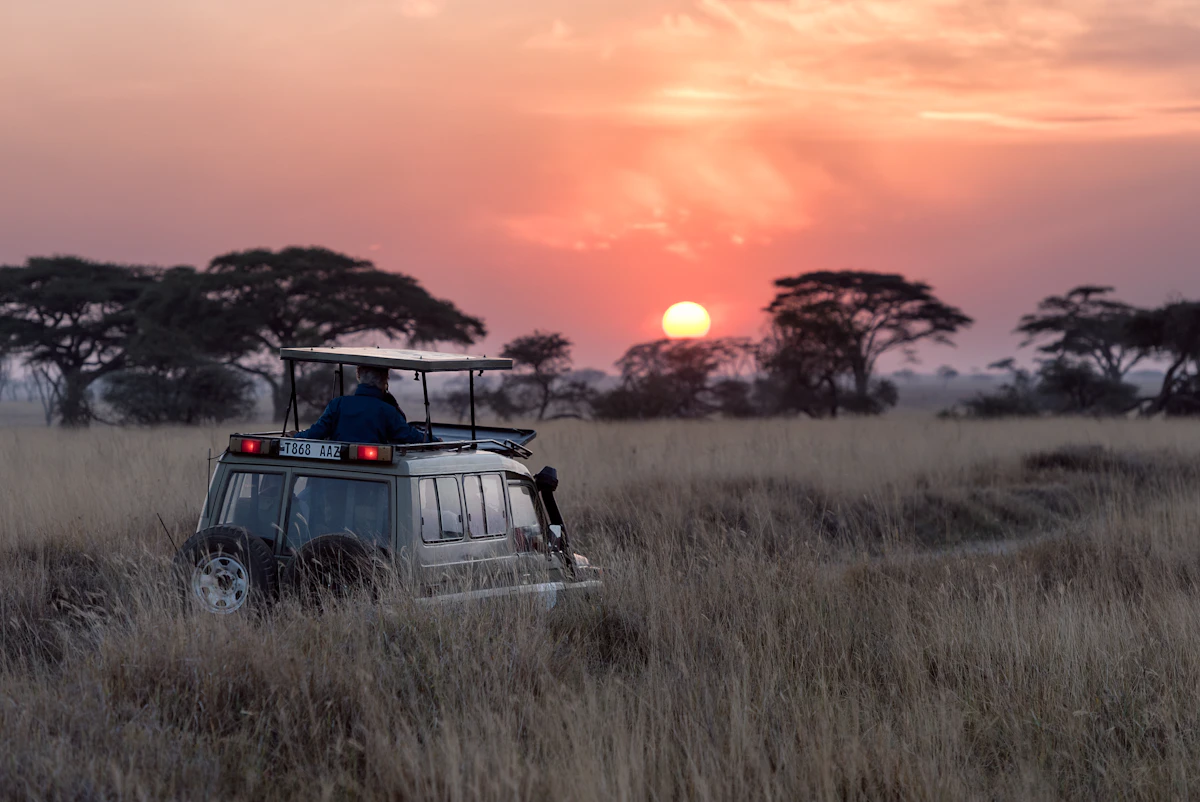
Planning an unforgettable East Africa safari? From Masai Mara to the Serengeti, this complete guide covers costs, timing, and expert tips for 2026/2027.
Read More
An East Africa safari is the ultimate wildlife experience — combining the legendary plains of the Maasai Mara National Reserve, the vast wilderness of Serengeti National Park, and the rare primate encounters in Bwindi Impenetrable National Park.
Read MoreCelebrate Kenya’s latest athletics milestone and discover why now is the perfect time to explore the land of champions.
Read More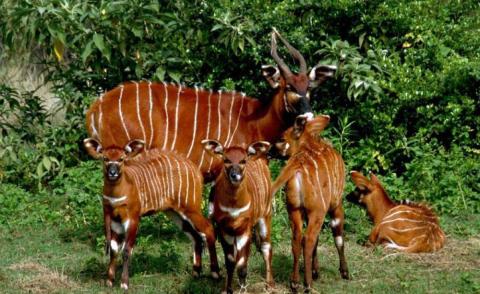
Discover how one of Africa’s rarest antelopes is making a comeback—and why it’s inspiring eco-travel to Kenya.
Read More
Explore Kenya and Tanzania with expert tips, top destinations, and travel insights for your perfect safari.
Read More
Explore Kenya’s top safari destinations, packages, and travel tips for 2026—from Maasai Mara to Amboseli and beyond.
Read More
Discover the real Africa behind Attenborough's iconic documentaries — from the Maasai Mara's Great Migration to gorilla trekking in Uganda and Rwanda.
Read MoreStep inside Great Plains Conservation's new six-suite private residence on the edge of the Mara — an infinity pool, wellness centre, and rooftop terrace built for total exclusivity.
Read MoreInside Borana Conservancy's private six-bedroom safari home — rhino tracking on foot, horse riding safaris, and an infinity pool overlooking Laikipia's wild savannah.
Read More
An East Africa safari is the ultimate wildlife experience — combining the legendary plains of the Maasai Mara National Reserve, the vast wilderness of Serengeti National Park, and the rare primate encounters in Bwindi Impenetrable National Park.
Read MoreFrom $300 to $1,500+ per person per day — here's exactly what drives Tanzania safari pricing, what you get at each tier, and how to choose the right package for your budget.
Read MoreThe natural death of an icon, protected 24/7, marks a historic victory for wildlife conservation in Kenya.
Today, the world mourns the loss of a true giant not just in size, but in spirit. Craig, Amboseli National Park's legendary Great Tusker, has passed away peacefully from natural causes. His body was discovered on 3 January 2026, closing the remarkable chapter of one of Africa's last surviving big tuskers.
Born in 1972, Craig became world-renowned for his immense ivory tusks, each weighing over 100 pounds (45 kg) and sweeping so low they nearly brushed the earth. He embodied the majesty of Africa's elephant heritage, a living reminder of what once roamed freely across the continent.
Craig was more than a spectacle of nature. During the darkest years of the ivory poaching crisis, he became a global symbol of hope and resilience. His survival was no accident — it was the result of relentless conservation action.
For years, Craig lived under round-the-clock protection by the Kenya Wildlife Service (KWS), the Big Life Foundation, the Amboseli Trust for Elephants, and dedicated Maasai community rangers. Their vigilance shielded him from poachers, allowing him to live a full, natural life.
In wildlife conservation, a natural death is a triumph. Craig's peaceful passing at approximately 54 years old proves that when communities, governments, and conservation partners unite, even the most targeted animals can thrive.
His life stands as undeniable evidence that anti-poaching efforts work and that coexistence between people and wildlife is possible.
Craig's legacy will forever shape elephant conservation in Kenya and beyond. He inspired global support, funding, and renewed commitment to protecting endangered species and their habitats.
Rest easy, Craig. You were protected. You were respected. You will never be forgotten.
Understanding seasons, migrations, and magical moments in Kenya's most iconic reserve.
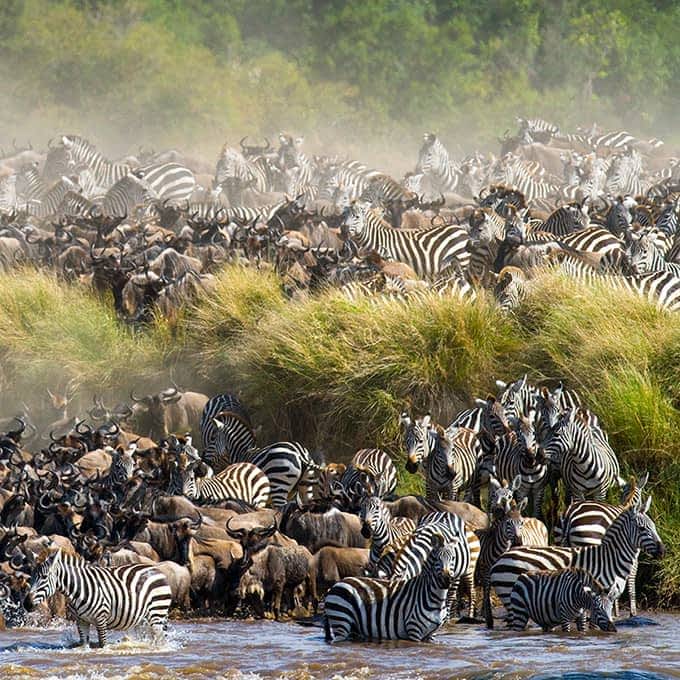
The Masai Mara is not just a destination — it is a living, breathing theatre of nature. Every month brings a different rhythm, a different story, and a different kind of magic. Choosing the best time to visit depends on what you want to witness from this legendary landscape.
This is the season that has made the Masai Mara world-famous. Between July and October, over 1.5 million wildebeest, zebras, and gazelles thunder across the plains from Tanzania's Serengeti in search of fresh pasture.
River crossings along the Mara River are heart-stopping moments of survival. Crocodiles lie in wait, predators stalk the herds, and dust clouds rise as hooves pound the earth. It is raw, emotional, and unforgettable.
These months offer warm days, golden landscapes, and excellent visibility. It is calving season for many herbivores, which means predators such as lions, cheetahs, and leopards are highly active.
Photographers love this time for its dramatic skies, fewer crowds, and intimate wildlife encounters.
Known as the green season, this period transforms the Mara into a lush paradise. Fewer visitors, discounted rates, and breathtaking scenery make it a hidden gem for travelers seeking tranquility and authenticity.
Birdlife flourishes, landscapes glow emerald, and wildlife remains abundant. For those who value peace over crowds, this is the Mara at its most soulful.
There is no wrong time to visit the Masai Mara. There is only the right moment for the experience you seek.
What every traveler should carry into the African wilderness — and what to leave behind.
A safari is unlike any other journey. You are not just visiting a place — you are stepping into nature's rhythm. Packing wisely ensures comfort, safety, and unforgettable moments in the wild.
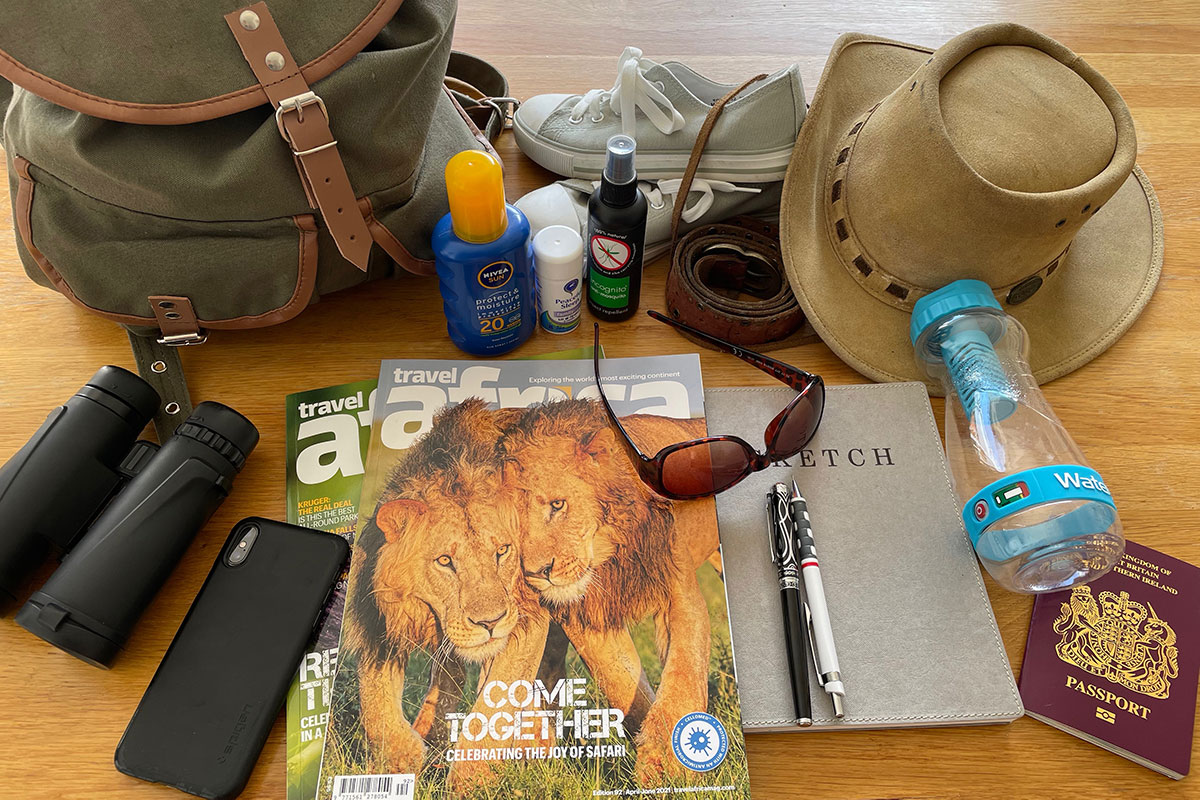
Neutral colors such as khaki, beige, olive, and brown help you blend into the environment and avoid attracting insects. Lightweight, breathable fabrics are essential for warm days, while a fleece or light jacket keeps you comfortable during cool mornings and evenings.
A wide-brimmed hat, sunglasses, and a scarf or buff provide protection from the sun and dust.
Closed, comfortable walking shoes or lightweight boots are ideal for game drives and nature walks. Avoid heavy hiking boots unless your itinerary includes extensive walking safaris.
A good camera with extra batteries and memory cards is a must. Binoculars bring distant wildlife closer, while sunscreen, insect repellent, and personal medications ensure peace of mind.
A small daypack is useful for carrying essentials during game drives, and a reusable water bottle helps you stay hydrated while reducing plastic waste.
Avoid bright colors, strong perfumes, hard suitcases (most safari flights require soft bags), and unnecessary electronics. On safari, less truly is more.
Pack thoughtfully. The lighter your bag, the freer your spirit — and the deeper your safari experience.
Safari Guide • April 2026 — by Anchor Africa Safaris
Planning an unforgettable East Africa safari in 2026/2027? Whether you're dreaming of Masai Mara safaris, Serengeti Great Migration tours, or luxury Kenya safari packages, this complete guide covers everything you need — costs, timing, travel tips, and expert insights.
East Africa — home to Kenya and Tanzania — offers the most iconic safari experiences in the world. Top highlights include the Big Five (lion, elephant, buffalo, leopard, rhino), the world-famous Great Migration, and diverse landscapes from savannahs to volcanic craters. Destinations like Masai Mara and Serengeti deliver unmatched wildlife encounters.
Timing your safari is key for the best experience:
💡 Pro Tip: Book early with Anchor Africa Safaris for the best East Africa safari deals 2026.
The Masai Mara is famous for Big Five sightings, Great Migration crossings, and luxury safari lodges — making it one of the most sought-after wildlife destinations on the planet.
Explore the vast plains of the Serengeti with year-round wildlife, migration tracking safaris, and breathtaking balloon safaris over the endless savannah.
Visit Amboseli National Park for large elephant herds and stunning views of Mount Kilimanjaro — a photographer's dream destination.
Safari costs vary depending on comfort level:
With Anchor Africa Safaris, packages typically include accommodation, meals, game drives, park fees, and transport in 4×4 vehicles.
Packing right enhances your safari experience. Bring neutral-colored clothing (khaki, beige, green), comfortable walking shoes, sunscreen and sunglasses, binoculars and a camera. Avoid bright colors and camouflage clothing.
Before traveling, get your yellow fever vaccination (if required), take malaria prophylaxis, and carry insect repellent. Safaris with Anchor Africa Safaris are fully guided, ensuring safety for solo travelers, couples, and families.
Getting around is easy with professional planning — 4×4 Land Cruisers for game drives, domestic flights from Nairobi to major parks, and cross-border itineraries between Kenya and Tanzania.
Anchor Africa Safaris is a trusted expert in bespoke East Africa safaris, offering tailor-made itineraries, luxury and budget options, expert local guides, and seamless travel planning. Whether you're planning a family safari, honeymoon, or photography tour, they deliver unforgettable experiences.
When is the best time to see the Great Migration?
July to October in Masai Mara and Serengeti.
Are East Africa safaris safe?
Yes, especially with experienced operators like Anchor Africa Safaris.
Can I travel solo?
Absolutely — guided safaris are very safe for solo travelers.
Are safaris suitable for families?
Yes, recommended for children aged 6 and above.
Book your East Africa safari 2026/2027 with Anchor Africa Safaris and explore the best of Kenya safari packages, Tanzania wildlife tours, and Great Migration safaris.
📞 +254722241882
📩 sales@anchorafricasafaris.com
Safari Guide • April 2026 — by Anchor Africa Safaris
Plan your dream African safari from the United States. An East Africa safari is the ultimate wildlife experience — combining the legendary plains of the Maasai Mara National Reserve, the vast wilderness of Serengeti National Park, and the rare primate encounters in Bwindi Impenetrable National Park.

If you’re planning your journey, start by exploring our Kenya safari packages from USA to understand how trips are structured for American travelers.
At Anchor Africa Safaris, we design tailor-made journeys that go beyond standard packages — offering exclusive, private, and fully customized safaris.
👉 You can also explore our private & bespoke safari experiences for a more personalized journey.
Traveling from the United States is easier than ever, with major routes into Nairobi, Kilimanjaro, and Entebbe.
If you’re unsure about logistics, we recommend reading our detailed guide on how much an East Africa safari costs to better plan your budget alongside travel routes.
One of the most common questions is:
👉 How much does an East Africa safari cost?
For a detailed breakdown, see our full Luxury Kenya safari packages price guide.
Costs vary depending on accommodation, season, and level of exclusivity.
The Maasai Mara National Reserve is famous for the Great Migration and Big Five safaris.
👉 Explore our Masai Mara luxury safari packages for premium experiences.
Lewa Wildlife Conservancy offers rare wildlife, exclusive access, and the possibility of black cheetah sightings.
👉 Discover our Lewa safari experiences for private conservancy safaris.
The Serengeti National Park delivers unmatched wildlife density and dramatic predator encounters.
In Bwindi Impenetrable National Park, you can experience once-in-a-lifetime gorilla encounters.
This is a classic multi-country journey combining Kenya and Tanzania.
If you prefer a more exclusive experience, consider our private safari itineraries, which are fully customized based on your travel style.
East Africa offers more than just game drives.
Yes — with proper planning and the right safari operator.
For more details, read our full guide on Is Kenya safe for US travelers?.
Timing matters.
👉 Learn more in our best time to visit East Africa guide.
Choosing between luxury and budget changes your entire experience.
👉 Compare options in our Kenya safari budget vs luxury breakdown.
Anchor Africa Safaris offers tailor-made itineraries, exclusive conservancy access, and deep local expertise.
👉 Ready to plan? Visit our contact page to request a custom safari.
How much does an East Africa safari cost from the USA?
Most safaris range between $7,000 and $15,000 depending on luxury level.
What is the best time to visit East Africa?
July–October for migration, January–March for general wildlife.
Is East Africa safe?
Yes — especially when booked through experienced operators.
Your safari should be seamless, personal, and unforgettable.
Sports & Travel • April 2026 — by Anchor Africa Safaris
Kenya has long been the heartbeat of long-distance running, producing legends who dominate global athletics. Now, a new star has captured the world’s attention—Sebastian Sawe. His recent world record performance has not only cemented his place among the greats but has also reignited global admiration for Kenya’s rich athletic heritage.
Sebastian Sawe delivered a breathtaking performance, setting a new world record that has stunned the athletics community. Known for his endurance, discipline, and tactical brilliance, Sawe pushed beyond limits to achieve a historic milestone. His achievement reflects the dedication and high-altitude training culture that defines Kenyan runners.
This world record is more than just a personal victory—it’s a national celebration. It reinforces Kenya’s reputation as the home of champions and inspires a new generation of athletes to dream bigger.
Kenya’s dominance in long-distance running is no coincidence. Several factors contribute to this continued success:
Sebastian Sawe’s achievement is a direct product of these elements, showcasing the unmatched athletic ecosystem of Kenya.
As the world celebrates this historic moment, there’s no better time to experience Kenya firsthand. Anchor Africa Safaris offers unforgettable travel experiences that allow you to explore the landscapes that shape champions like Sawe.
posts view settingsWhether you're a sports enthusiast, nature lover, or adventure seeker, Anchor Africa Safaris provides curated tours that bring you closer to Kenya’s beauty and culture.
Imagine visiting the highlands where elite runners train, then heading out on a safari to witness Africa’s majestic wildlife—all in one trip.
With global attention on Kenya thanks to Sebastian Sawe’s world record, tourism is set to rise. Visiting now allows you to:
Anchor Africa Safaris ensures a seamless, safe, and enriching travel experience from start to finish.
Sebastian Sawe’s world record is a powerful reminder of Kenya’s greatness—not just in athletics, but in culture, nature, and adventure. As the world celebrates this incredible achievement, you can be part of the story by exploring Kenya with Anchor Africa Safaris.
Ready to explore the land of champions? Book your next adventure with Anchor Africa Safaris today and experience Kenya like never before.
Discover the landscapes of champions and experience unforgettable safaris with Anchor Africa Safaris.
📞 +254-722-241-882
📩 sales@anchorafricasafaris.com
Conservation • April 2026 — by Anchor Africa Safaris
The return of the rare mountain bongo to Kenya marks a historic moment in global wildlife conservation. Once on the brink of extinction, this striking antelope—known for its chestnut coat and white stripes—has made a remarkable comeback thanks to international collaboration.
For travelers in the United States and the United Kingdom seeking meaningful, eco-conscious travel experiences, this is more than just a conservation story—it’s an invitation to witness one of Africa’s greatest wildlife success stories firsthand.
The mountain bongo is one of the most endangered antelope species in the world, native only to the high-altitude forests of Kenya. Decades of habitat loss, poaching, and disease nearly wiped out the population.
However, a carefully managed breeding program in the Czech Republic has helped revive the species. Now, in a landmark rewilding effort, several mountain bongos have been successfully reintroduced to Kenya’s natural habitats—boosting population numbers and strengthening genetic diversity.
The return of the mountain bongo highlights key conservation priorities:
East Africa has become a leading destination for eco-conscious travelers seeking:
The return of the mountain bongo adds a powerful new dimension—offering travelers a rare opportunity to engage with conservation in action.
At Anchor Africa Safaris, we create journeys that go beyond traditional safaris—connecting travelers with nature, conservation, and local communities.
The return of the mountain bongo proves that conservation works—and that travelers play a vital role. By choosing responsible safari operators, you directly support wildlife protection and local communities.
If you're searching for the best African safari tours from the USA or UK, or looking for a luxury Kenya safari with a conservation focus, now is the perfect time to go.
Discover the wild. Support conservation. Travel with meaning.
Experience Kenya’s wildlife comeback stories with Anchor Africa Safaris.
📞 +254-722-241-882
📩 sales@anchorafricasafaris.com
Safari Guide • April 2026 — by Anchor Africa Safaris
East Africa isn’t just a destination—it’s where the modern safari was born. For travelers from the United States and the United Kingdom, it offers raw, untamed nature paired with deeply authentic experiences.
From the sweeping plains of the Maasai Mara to the vast wilderness of the Serengeti National Park, every journey feels cinematic—and entirely real.
👉 Explore: Kenya Safari Guide • Tanzania Safari Guide
East Africa is consistently ranked among the top wildlife destinations in the world.
Maasai Mara: Famous for wildlife density and migration.
👉 Maasai Mara Safari Guide • Best Lodges • Migration Itinerary
Amboseli National Park: Elephants and Kilimanjaro views.
👉 Amboseli Safari Guide • 7-Day Kenya Itinerary
Serengeti National Park: Endless plains and predator action.
👉 Serengeti Safari Guide • Tanzania Itinerary
Ngorongoro Crater: Dense wildlife in a unique landscape.
👉 Ngorongoro Guide • Northern Circuit Plan
👉 Best Time to Visit Kenya • Best Time to Visit Tanzania
Entry Requirements: Passport, eVisa
👉 Kenya Visa Guide • Tanzania Visa Guide
Health & Safety: Vaccinations, insurance
👉 Safari Health Guide • Travel Insurance
Flights: Routes via major global hubs
👉 Flights to Kenya • Getting to Serengeti
Travel trends are shifting toward nature-based travel, personalization, and sustainability—making East Africa more relevant than ever.
A journey to East Africa is more than a holiday—it’s a defining experience.
👉 Request a Custom Safari Quote
👉 Speak to a Safari Expert
👉 View Safari Packages
Design your perfect safari with expert local knowledge from Anchor Africa Safaris.
📞 +254-722-241-882
📩 sales@anchorafricasafaris.com
Safari Guide • April 2026 — by Anchor Africa Safaris
Planning a Kenya safari in 2026? You’re choosing one of the most iconic wildlife destinations in the world. From the vast plains of the Maasai Mara National Reserve to the elephant-filled landscapes of Amboseli National Park, Kenya offers unforgettable safari experiences for every traveler—budget, mid-range, and luxury.
Kenya continues to lead Africa in sustainable tourism and wildlife conservation. In 2026, travelers are prioritizing authentic experiences, eco-friendly lodges, and private safaris.
Trending searches: Kenya safari packages 2026, affordable safari from Nairobi, luxury Maasai Mara deals.
Famous for the Great Migration safari and Big Five encounters. The Maasai Mara is Kenya’s most popular safari destination.
Known for large elephant herds and stunning views of Mount Kilimanjaro—perfect for photographers and short trips.
One of Africa’s largest parks, ideal for less crowded safari experiences and diverse landscapes.
Affordable option with shared transport and budget lodges. Ideal for small groups and backpackers.
Premium lodges, private game drives, and fly-in safaris for an exclusive experience.
Custom itineraries with family-friendly lodges or romantic bush experiences.
Travelers prefer fast and direct communication. Booking via WhatsApp increases conversions and allows instant responses.
👉 Book your Kenya safari via WhatsApp
Explore Kenya in 2026 with Anchor Africa Safaris—custom safari packages, expert guides, and unforgettable experiences.
📞 +254-722-241-882
📩 sales@anchorafricasafaris.com
Discover the Africa behind David Attenborough's iconic wildlife documentaries — and how you can live it for yourself.
For generations, Sir David Attenborough has inspired millions of people across the United States and the United Kingdom with breathtaking wildlife documentaries showcasing the beauty of Africa. From lions hunting on the plains of Kenya to gorillas hidden deep in the forests of Uganda and Rwanda, his storytelling has sparked a global passion for African safari adventures.
At Anchor Africa Safaris, we help travelers turn those unforgettable scenes into real-life experiences. Whether you dream of witnessing the Great Migration in the Maasai Mara, exploring the Serengeti, or trekking mountain gorillas in East Africa, our safari tours are designed to bring you closer to nature in the most authentic way possible.
David Attenborough's documentaries — including Planet Earth, Africa, Dynasties, and Our Planet — have made African safaris one of the top travel experiences for visitors from the US and UK. Anchor Africa Safaris specializes in creating customized safari experiences tailored for international travelers seeking unforgettable wildlife encounters.
The Maasai Mara is one of the most famous safari destinations in the world and a highlight in many wildlife documentaries narrated by David Attenborough. Known for the spectacular Great Wildebeest Migration, the Maasai Mara offers incredible opportunities to see lions, elephants, cheetahs, leopards, buffalo, zebras, and giraffes.
Visitors enjoy luxury safari lodges, hot air balloon safaris, Big Five game drives, excellent wildlife photography, and authentic Maasai cultural experiences. If you have ever dreamed of seeing Africa exactly as it appears in nature documentaries, the Maasai Mara delivers an unforgettable safari experience.
The Serengeti is famous for its endless plains, dramatic sunsets, and extraordinary wildlife encounters. Popular experiences include luxury Serengeti safaris, private tours, honeymoon packages, family-friendly holidays, and migration safari adventures. Anchor Africa Safaris offers tailor-made Tanzania safari packages designed for travelers from the USA and UK who want authentic African adventures with expert local guides.
One of the most emotional wildlife experiences shown in modern documentaries is gorilla trekking. Watching mountain gorillas in their natural habitat is a once-in-a-lifetime experience that attracts travelers from around the world. Our team at Anchor Africa Safaris helps organize permits, accommodations, and personalized itineraries to ensure a seamless gorilla trekking adventure.
David Attenborough has spent decades advocating for wildlife conservation and environmental protection. At Anchor Africa Safaris, we share the same commitment to sustainable tourism. We support eco-friendly safari lodges, community-based tourism, wildlife conservation projects, ethical wildlife viewing, and local employment and cultural preservation. Responsible tourism helps protect Africa's incredible wildlife for future generations while supporting local communities.
Many travelers inspired by David Attenborough ask about the best time for an African safari. Here is a quick guide to the best seasons:
July to October — Perfect for witnessing the Great Migration in Kenya and Tanzania.
December to March — Excellent wildlife viewing with warm weather and beautiful landscapes.
June to September — Ideal conditions for gorilla trekking in Uganda and Rwanda.
Anchor Africa Safaris can help you choose the best safari season based on your interests, travel dates, and budget.
Travelers from the United States and United Kingdom choose Anchor Africa Safaris because we combine local expertise with personalized service and unforgettable safari experiences. We offer customized itineraries, luxury and budget packages, private and group tours, expert local guides, and multi-country East Africa adventures — all tailored to your travel style.
If David Attenborough's documentaries have inspired your dream of exploring Africa, Anchor Africa Safaris is ready to make that dream a reality. From Kenya's Maasai Mara to the rainforests of Uganda and Rwanda, we create unforgettable safari adventures that connect you with Africa's wildlife, landscapes, and cultures.
Experience Kenya’s wildlife comeback stories with Anchor Africa Safaris.
📞 +254-722-241-882
📩 sales@anchorafricasafaris.com
Luxury Safari • June 2026 — by Anchor Africa Safaris
For discerning travelers from the United States and United Kingdom seeking the pinnacle of African luxury travel, Zamara Private is one of the most exciting new safari openings on the continent. Developed by Great Plains Conservation — the renowned conservation tourism company founded by wildlife filmmakers Dereck and Beverly Joubert — Zamara Private is set to redefine exclusive safari experiences in Kenya's iconic Maasai Mara.
Opening in 2026, this extraordinary six-suite private safari residence is designed for families, private groups, and travelers who want complete exclusivity without compromising on world-class wildlife, conservation impact, or luxury. Unlike traditional safari lodges, Zamara Private offers an entire private villa dedicated exclusively to your group — letting guests experience the Mara on their own schedule, with personalized service and unmatched privacy.
👉 If you're planning a wider Kenya itinerary, start with our Kenya safari packages from USA, or explore our private & bespoke safari experiences for a fully tailored journey.
Great Plains Conservation is widely regarded as one of Africa's most respected conservation-focused luxury operators. Their properties combine exceptional wildlife experiences with meaningful initiatives that protect habitats, wildlife, and local communities — a philosophy deeply embedded in Zamara Private, where luxury and conservation work hand in hand.
Zamara Private sits on the northern edge of the Maasai Mara National Reserve, one of Africa's most wildlife-rich destinations. The location offers exceptional year-round wildlife viewing while maintaining a sense of seclusion rarely found in popular safari areas. The ecosystem supports the Big Five, large elephant herds, cheetahs, leopards, hippos, and more than 500 bird species.
Each year, more than 1.5 million wildebeest — joined by hundreds of thousands of zebras and gazelles — move through the Serengeti-Mara ecosystem in search of fresh grazing, culminating in dramatic river crossings that are among Africa's most sought-after wildlife spectacles. Zamara Private provides an exceptional base from which to witness it all in complete privacy.
Rather than chasing pure opulence, Zamara Private embraces the Japanese philosophy of Wabi Sabi — celebrating simplicity, authenticity, and a deep connection to the surrounding environment. Natural materials, organic textures, and grass-planted roofs let the villa blend seamlessly into the landscape, creating a sanctuary that feels both luxurious and deeply wild.
Zamara Private features six beautifully appointed suites accommodating up to twelve adults, with capacity for additional children when required. Each suite includes:
For families, one master suite can be connected with an adjacent suite to form a spacious two-bedroom family residence.
A spectacular 15-metre infinity pool overlooks the surrounding wilderness — the perfect place to relax between game drives.
Guests enjoy exclusive access to a spa, sauna, steam rooms, a fully equipped gym, and wellness treatments.
A landscaped rooftop sets the stage for sunrise breakfasts, sundowner cocktails, private dinners, and stargazing under the vast African night sky.
A dedicated wine room features carefully selected labels from leading wine-producing regions around the world.
Luxury travelers are increasingly choosing private villas and conservancy-based stays over traditional lodges, for greater privacy, flexible schedules, exclusive-use facilities, and better, less-crowded wildlife viewing.
👉 Compare experiences in our Kenya safari budget vs luxury breakdown.
Zamara Private is built for travelers who want to share extraordinary experiences together — luxury family vacations, multi-generational trips, milestone celebrations, corporate retreats, and luxury African honeymoons.
👉 See our family safaris with nanny services for more on traveling with children in the Mara.
Through Great Plains Conservation's initiatives, every stay at Zamara Private contributes to habitat restoration, wildlife conservation, indigenous tree planting, and community development across East and Southern Africa — ensuring future generations can continue to experience this remarkable wilderness.
How many guests can Zamara Private accommodate?
Up to twelve adults across six suites, with capacity for additional children.
What makes Zamara Private different from a typical safari lodge?
It's an entire private villa reserved exclusively for your group, with a dedicated guide, chef, and vehicle.
When does Zamara Private open?
2026, on the northern edge of the Maasai Mara Reserve.
Privacy, flexibility, and the Mara's wildlife — all on your own terms.
Luxury Safari • June 2026 — by Anchor Africa Safaris
While the Maasai Mara is renowned for the Great Migration and exceptional predator sightings, northern Kenya offers an equally remarkable safari experience defined by exclusivity, conservation, and breathtaking landscapes. Nestled within the 32,000-acre Borana Conservancy in Laikipia, Lengishu House is one of Kenya's most prestigious private safari homes, offering guests complete privacy and unparalleled access to one of Africa's leading conservation success stories.
For luxury travelers from the United States and United Kingdom seeking a safari beyond the traditional game-viewing experience, Lengishu delivers something truly unique: an exclusive-use private residence where world-class hospitality, extraordinary wildlife encounters, and meaningful conservation come together seamlessly.
👉 Planning a multi-stop Kenya trip? Start with our Kenya safari packages from USA, or explore our private & bespoke safari experiences for a fully tailored journey.
Unlike traditional safari lodges, Lengishu is offered exclusively as a private-use property, ensuring complete privacy throughout your stay. The house accommodates up to twelve guests across six beautifully appointed bedrooms spread among four separate cottages overlooking the Laikipia landscape.
This exclusive arrangement allows guests to enjoy:
One of Lengishu's greatest assets is its extraordinary location within Borana Conservancy, one of Africa's leading conservation areas and one of Kenya's most successful rhino sanctuaries. Borana plays a critical role in protecting both black and white rhino populations and works closely with neighboring Lewa Wildlife Conservancy to form one of East Africa's most important wildlife landscapes.
The conservancy is home to black and white rhino, lion, leopard, elephant, buffalo, Grevy's zebra, reticulated giraffe, Beisa oryx, gerenuk, and Somali ostrich — a wildlife mix that differs significantly from the Maasai Mara, making Lengishu an ideal complement to a traditional safari itinerary.
👉 Discover our Lewa safari experiences for more on this neighboring conservation area.
One of the most exclusive wildlife experiences in Kenya, rhino tracking lets guests accompany expert rangers while learning about conservation efforts and monitoring endangered rhino populations.
Explore the conservancy from a unique perspective, riding through the wilderness alongside wildlife.
Unlike many national parks, Borana allows both daytime and night safaris, offering opportunities to encounter elusive nocturnal species.
Adventure enthusiasts can explore scenic trails throughout the conservancy while enjoying spectacular views of the surrounding landscape.
Enjoy gourmet dining experiences in some of the most beautiful wilderness settings in Kenya.
Lengishu has been carefully designed using locally sourced materials and traditional craftsmanship to blend seamlessly with its surroundings while providing every modern comfort, including:
Every room offers spectacular sunrise views across the conservancy, creating an immersive connection with the surrounding wilderness.
Lengishu has been designed with sustainability as a core principle, using locally sourced materials, environmentally conscious construction methods, and long-term partnerships with conservation initiatives and neighboring communities. By staying at Lengishu, guests directly support rhino conservation, habitat protection, and local community development programs.
For travelers seeking the ultimate Kenyan safari, pairing Lengishu House with Zamara Mara creates an ideal balance between the rugged northern conservancies and legendary southern reserve systems.
